
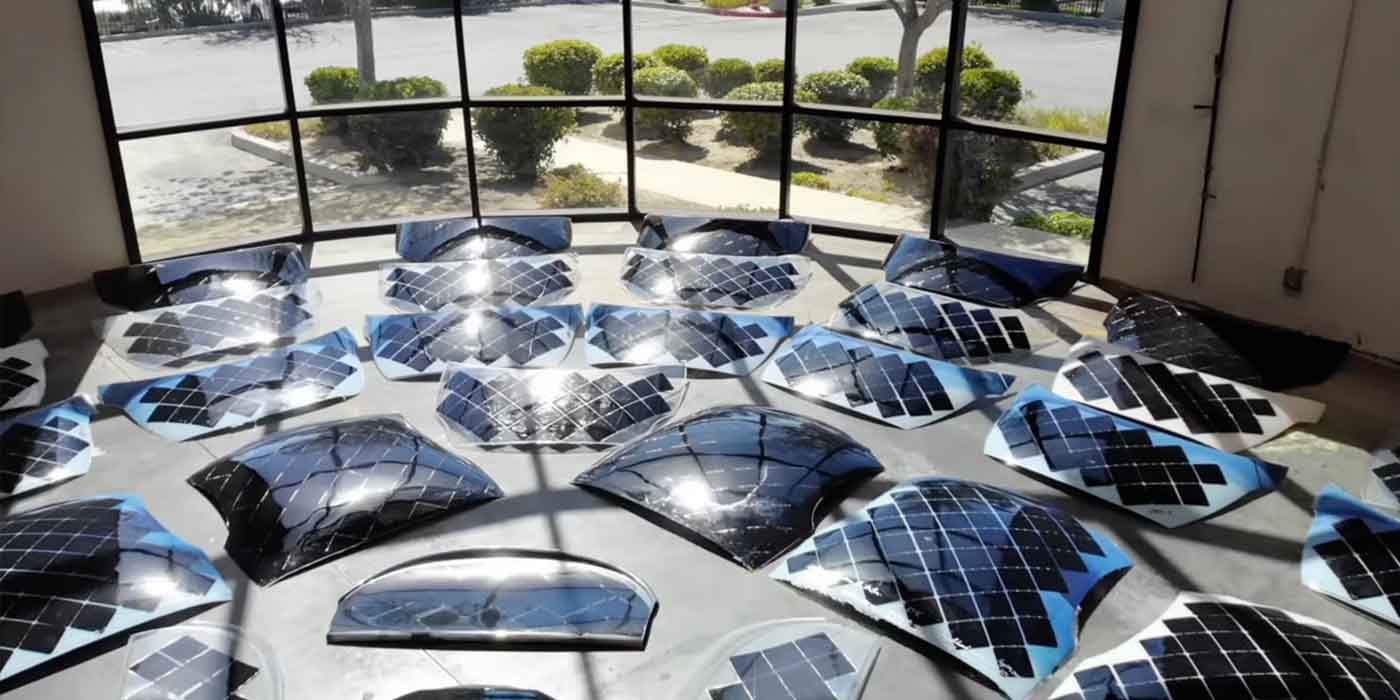
Aptera CEO Shares Real-World Proof of Solar EV Potential at SOLARAMA Event
On April 14, 2026, Aptera made waves in the electric vehicle community with its first-ever SOLARAMA event—a celebration of solar-powered mobility that brought together innovators, early adopters, and EV enthusiasts. During the live-streamed gathering, Aptera CEO Chris Anthony shared compelling real-world data showing how solar energy is not just a theoretical promise but a practical reality for drivers across the country.
The event, held at Aptera’s San Diego headquarters and streamed globally, coincided with the release of new performance metrics from over 50 early-test customers. These users have collectively driven more than 250,000 miles using their solar-assisted Aptera vehicles—averaging nearly 12 miles of clean energy per day solely from sunlight.
As climate concerns intensify and electricity costs continue to climb, the SOLARAMA event marked a turning point in public perception: solar EVs are no longer a futuristic concept but an accessible, scalable solution for sustainable transportation and home energy integration.
Solar in Action: Real Data from Early Adopters
The heart of SOLARAMA was a transparent deep-dive into customer usage data. Aptera shared anonymized telemetry from its Phase 1 pilot fleet—vehicles equipped with Gen 3 solar modules and integrated battery management systems.
- Average daily solar gain: 9–14 miles of range depending on geography and season
- Annual solar contribution: 2,500–4,000 miles per vehicle (up to 30% of total annual driving)
- Peak output recorded: 17.3 miles of range added in a single 8-hour sunlight window
- Winter performance: Still delivering 4–6 miles/day even in northern climates like Michigan and Maine
“What we’re seeing isn’t just supplemental energy—it’s behavior change,” said CEO Chris Anthony during the keynote. “Our users are charging less at the grid, reducing their household electricity bills, and gaining true energy independence.”
[Image: Aptera pilot fleet parked in San Diego, solar panels glistening under clear sky]
Case Study: A Solar-Powered Family in Arizona
One standout example came from the Johnson family of Tucson, Arizona. With two Apteras and a home solar + battery system, they reported:
- $0 monthly grid electricity costs for transportation (over six consecutive months)
- 68% reduction in household energy bills during summer peak hours
- Complete off-grid readiness during short grid outages—via vehicle-to-home (V2H) mode
“We drive, we park under the sun, and our home runs on solar,” said Sarah Johnson. “The car is part of a larger energy ecosystem—not just a appliance on wheels.”
Beyond the Car: Integrating Solar EVs with Home Energy
SOLARAMA also spotlighted Aptera’s expanding vision for integrated solar ecosystems—including bidirectional power flow between vehicles and homes.
Key Highlights from the Event:
- V2H (Vehicle-to-Home) Integration: New firmware enables Aptera units to supply up to 3.6 kW of AC power during outages or peak-demand periods.
- Solar-First Charging Logic: Vehicles prioritize solar energy before drawing from grid or battery storage—maximizing renewable use.
- Smart Grid Coordination: Pilot programs with utility partners in California and Hawaii are testing demand-shedding via solar EV fleets.
“This isn’t just about charging a car,” Anthony emphasized. “It’s about turning every vehicle into a distributed energy asset—like a mobile power bank for your home, neighborhood, or even the grid.”
What This Means for the EV Industry
Aptera’s SOLARAMA demonstration arrives at a critical inflection point:
- The U.S. Department of Energy recently updated its solar EV roadmap, acknowledging that photovoltaic-integrated vehicles could reduce residential transport emissions by up to 70%.
- Major automakers—including Toyota and Honda—are accelerating development of solar roof options on hybrid and EV platforms.
- Consumer demand is shifting: A recent Electrek/Prognosticator survey found that 61% of EV shoppers now consider integrated solar a “highly influential” purchase factor.
Aptera plans to expand its pilot program in Q3 2026 and begin customer deliveries of the single-seater Aptera hp1 later this year. The company also announced upcoming partnerships with residential solar installers to streamline bundled solar-EV purchases.
[Image: Chris Anthony presenting real-time telemetry dashboards during SOLARAMA keynote]
Looking Ahead: The Road to Mass Adoption
While Aptera’s current production model seats one and retails for $25,900 before incentives, the company is developing a four-seat variant—codenamed hp2—with expanded solar surface area (up to 14 m²) and enhanced battery options.
Critics remain skeptical about scalability and weather dependency. But as battery tech improves and solar efficiency climbs beyond 30%, analysts believe solar-assisted EVs could capture 5–8% of the U.S. light-duty market by 2030—particularly in sunbelt regions and among eco-conscious commuters.
For now, Aptera’s SOLARAMA event has set a new benchmark: proving that when sunlight meets smart engineering, the future of mobility can be clean, quiet—and fully illuminated by the sun.
“This is what sustainability looks like in action—not just less fossil fuel, but more freedom.”
— Chris Anthony, Aptera CEO
Further Reading
- Full Telemetry Report: Solar EV Pilot Fleet Performance
- U.S. DOE Solar EV Integration Roadmap (March 2026)
- Aptera hp1 Delivery Timeline Deep Dive (Electrek, Nov 2025)
