
AIR’s Heavy-Lift eVTOL Cargo Drone Completes Historic First Flight with 550 lb Payload
Unmanned electric vertical takeoff and landing (eVTOL) aircraft developer AIR has announced a major breakthrough in cargo logistics, successfully completing the first flight of its heavy-lift eVTOL cargo drone—now recognized as one of the world’s largest in its class. The milestone flight, conducted earlier today, demonstrated the aircraft’s capability to carry an impressive 550-pound payload over a meaningful distance—ushering in new possibilities for autonomous freight transport across remote and hard-to-reach regions.
With climate goals intensifying pressure on last-mile delivery and supply chain sustainability, AIR’s achievement signals a pivotal step toward decarbonizing cargo aviation. Unlike traditional cargo aircraft that rely on fossil fuels and runways, AIR’s eVTOL is fully electric, zero-emission, and capable of vertical takeoff and landing—making it ideal for urban delivery hubs, disaster response zones, and rural medical supply routes.
First Flight Details: 550 lb Payload and Beyond
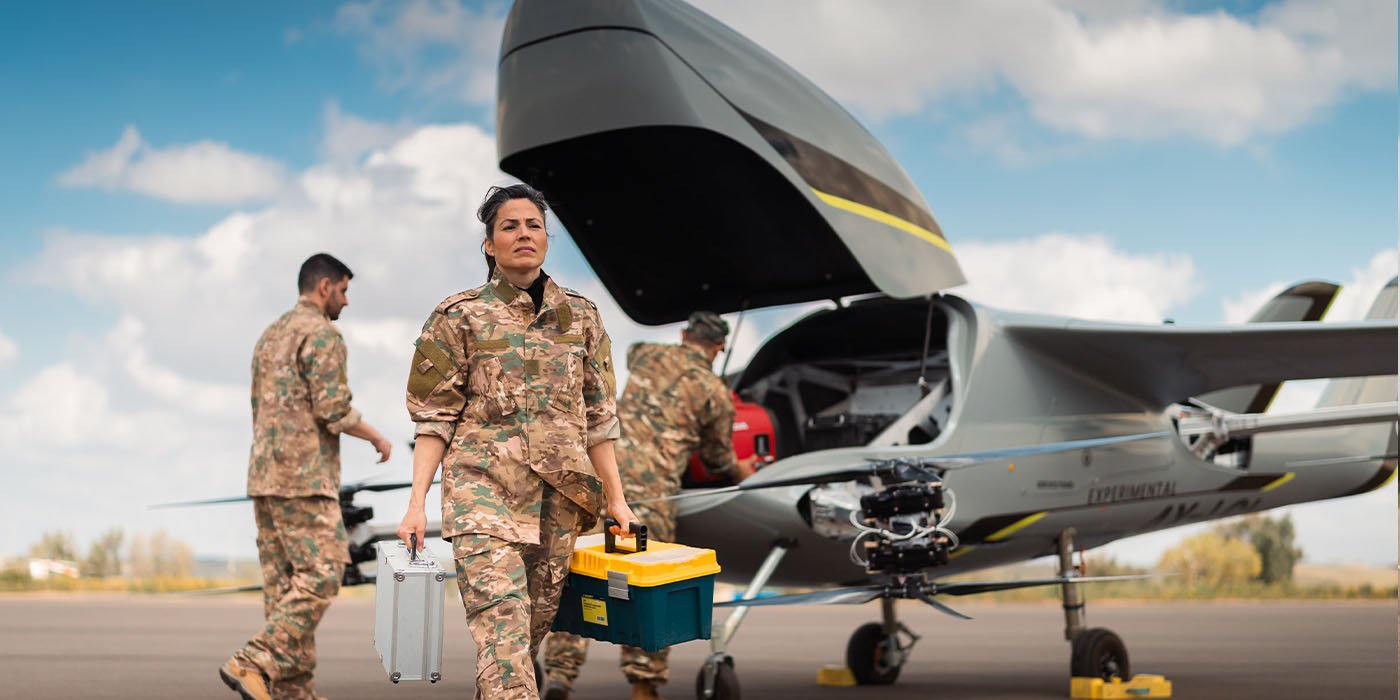
The maiden flight took place at AIR’s test facility in California and featured the company’s proprietary AIR-550 prototype. The aircraft carried a representative payload of 550 pounds (approximately 250 kilograms), matching its design specification, and flew for over 30 minutes while maintaining stable hover, transition to forward flight, and executing precision maneuvers.
[Image: AIR’s AIR-550 heavy-lift eVTOL cargo drone during successful first flight]
According to AIR’s engineering team, the aircraft achieved all flight objectives without incident—validating its modular tilt-rotor architecture and advanced flight control system. The drone is designed to operate autonomously or with remote piloting oversight and features redundant systems for safety-critical operations.
Key Flight Performance Metrics
- Payload Capacity: Up to 550 lbs (250 kg)
- Range: 150+ miles (240+ km) with payload
- Cruise Speed: ~120 mph (193 km/h)
- Flight Duration: Over 30 minutes with full payload
- Emissions: Zero tailpipe emissions; powered by lithium-ion battery pack
Cargo Logistics Meets Electrification
The cargo eVTOL market is projected to grow rapidly as e-commerce demands surge and regulatory frameworks evolve. According to a recent McKinsey & Company report, the urban cargo eVTOL sector could reach $50 billion annually by 2040—accounting for over 10% of last-mile delivery volumes in major metropolitan areas.
AIR’s AIR-550 is uniquely positioned to serve high-value, time-sensitive cargo such as medical supplies, emergency equipment, and electronics components. Its vertical lift capability eliminates the need for runways or landing zones—making it ideal for operation from small urban depots, rural clinics, or even mobile field bases.
How It Compares to Other Cargo eVTOLs
| Model | Payload Capacity | Range (with payload) | Status |
|---|---|---|---|
| AIR AIR-550 | 550 lbs | 150+ miles | Maiden flight (2026) |
| Volocopter VoloDrone 500 | 440 lbs | 62 miles | Certification phase (EU) |
| EHang 216 (Cargo variant) | 440 lbs | 22 miles | Operational in China |
| Joby Aviation Cargo Prototype | 500+ lbs (estimated) | TBD | Test flight phase |
Beyond Delivery: The Broader Impact
The successful flight also underscores AIR’s commitment to developing not just hardware, but a full autonomous logistics ecosystem. The company is already in pilot discussions with major healthcare distributors and logistics providers to test real-world applications—including vaccine delivery in underserved regions and rapid-response disaster relief.
“This isn’t just about moving packages faster,” said Daniel Chen, AIR’s Co-Founder and CTO, in a company statement. “It’s about reimagining mobility for critical cargo—where reliability, speed, and sustainability converge to save lives and reduce environmental impact.”
In parallel, AIR is working with the FAA and EASA on certification pathways for heavy-lift unmanned cargo operations. Regulatory approvals are expected by 2028, with commercial deployment targeted for 2029.
Looking Ahead
- Q3 2026: Begin payload optimization and endurance testing
- Q1 2027: Launch pilot program with regional medical logistics partner
- 2028: Target FAA Part 135 air carrier certification
- 2029: Begin commercial deliveries in select U.S. and EU markets
Conclusion: A Leap Forward for Green Logistics
AIR’s AIR-550 maiden flight marks a defining moment in the evolution of electric cargo aviation. By demonstrating both scale and reliability, the company has moved beyond concept to verifiable capability—inviting further investment, collaboration, and innovation across the eVTOL ecosystem.
As cities worldwide grapple with traffic congestion, last-mile inefficiencies, and decarbonization mandates, autonomous heavy-lift eVTOLs like AIR’s could soon become a routine sight overhead—not as novelty, but as essential infrastructure for tomorrow’s supply chains.