
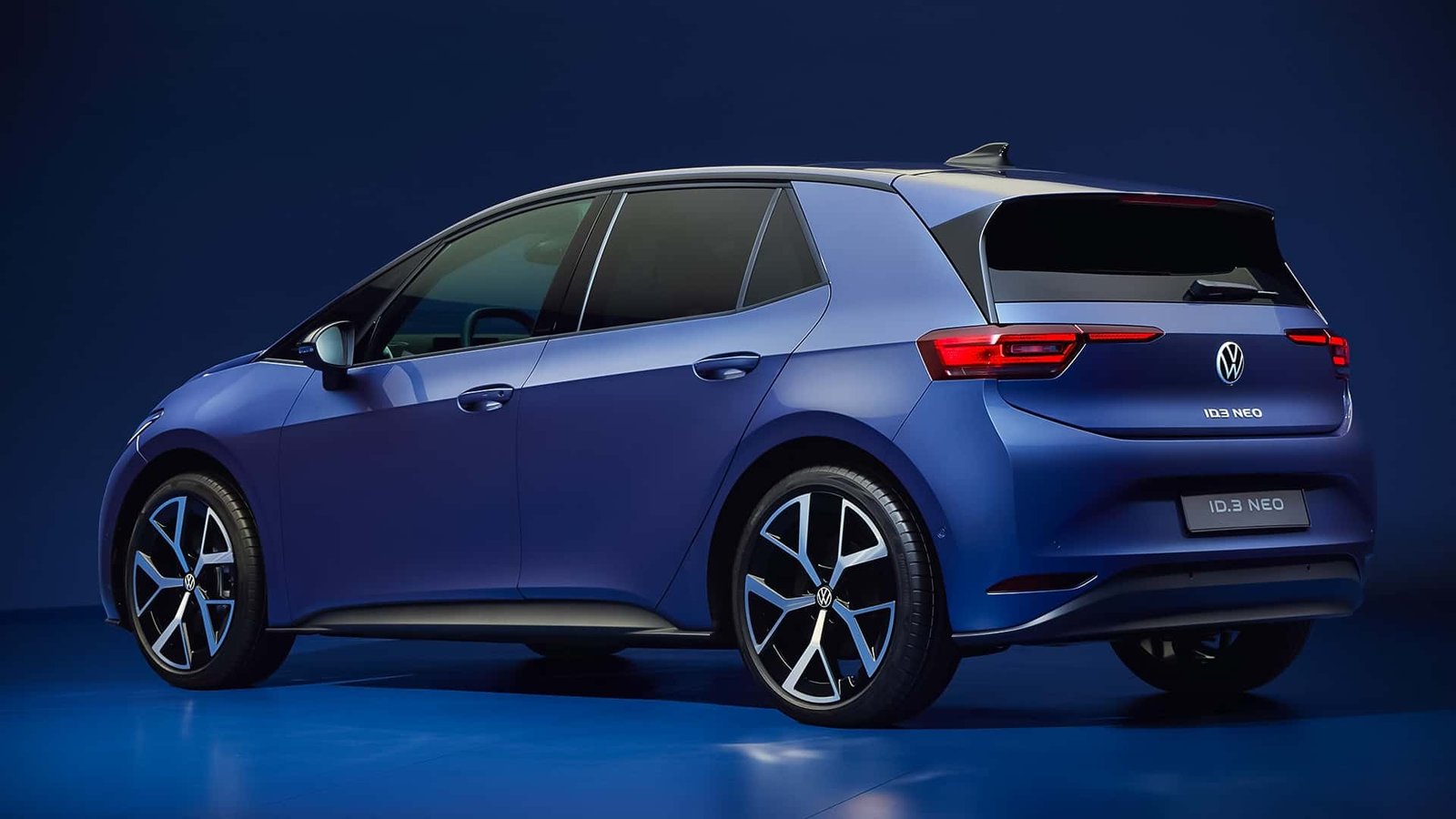
Volkswagen ID.3 Neo Revives Classic Design Philosophy with Modern EV Execution
Volkswagen has quietly reintroduced a more refined version of its iconic electric hatchback — the ID.3 Neo — signaling a strategic pivot toward mature styling and driver-focused interiors in an increasingly chaotic EV market.
The all-new ID.3 Neo,悄然 unveiled for the European market this spring, offers a compelling reminder that not all EVs need to scream futuristic drama to succeed. With subtle exterior enhancements and a thoughtful return to physical controls inside, Volkswagen appears to have taken lessons from its own missteps — particularly the polarizing reception of earlier ID. models — and recalibrated its design language for a more discerning audience.
Launched just as European EV adoption begins to plateau amid charging anxieties and policy shifts, the Neo variant arrives not with fanfare but with quiet confidence. It’s a car that doesn’t chase trends; it redefines them through restraint, refinement, and reliability — values long associated with Volkswagen’s internal combustion heritage.
A Design Language Reclaimed
The ID.3 Neo features a more restrained front fascia compared to its predecessors. The signature light bar is now flanked by slimmer LED units, reducing the “futuristic blob” effect that drew both criticism and confusion in earlier ID. releases. The bumper incorporates subtle sculpting and new matrix-style fog-light surrounds, lending the car a more grounded, premium presence.
[Image: Volkswagen ID.3 Neo side profile showing sleek lines and flush door handles]
Side profiles retain the fastback hatchback silhouette that made the original ID.3 popular — aerodynamic yet elegant — but with updated 18- or 19-inch wheel designs and new two-tone paint options. The rear receives a refined light cluster treatment, with cleaner graphics and a more integrated look across the trunk lid.
According to VW design chief Michael Mauer, “The Neo isn’t about adding complexity — it’s about removing distraction.” That philosophy extends far beyond aesthetics.
The Cabin: Physical Controls Make a Comeback
Perhaps most significantly, the ID.3 Neo reintroduces physical buttons for key functions like climate control and drive mode selection — a direct response to driver feedback across VW’s EV lineup. The earlier ID.3 and ID.4 models featured near-total touch-screen and gesture-based interfaces, which many users found unintuitive or frustrating in daily use.
The Neo’s dashboard retains the minimalist aesthetic but now includes:
- Physical climate control dials — tactile temperature and fan-speed adjustments
- Mechanical drive-selector buttons (P, R, N, D) for immediate feedback
- Dedicated media and phone buttons, reducing driver distraction
- Physical volume knob integrated into the center stack
This hybrid approach — blending digital clarity with analog usability — reflects a deeper industry realization: even in an electric age, drivers value intuitive interaction over sheer technological spectacle.
Batteries and Performance: Refined, Not Radical
Under the skin, the ID.3 Neo retains the proven MEB platform but receives software optimizations for smoother power delivery and improved thermal management. Available configurations include:
- 77 kWh battery (net) with rear motor producing 204 hp
- 82 kWh battery upgrade offering up to 340 km (WLTP) range
- AC charging max: 11 kW standard; optional 22 kW onboard charger
- DC fast-charging at up to 125 kW — reaching 80% in ~38 minutes
The Neo also gains subtle chassis refinements: revised suspension bushings and recalibrated steering for improved ride comfort without sacrificing the ID. line’s trademark handling precision.
Why This Matters Now
Volkswagen isn’t alone in pivoting toward user-centric EV design — Ford’s recent return to physical climate controls in the Mustang Mach-E, and Hyundai/Kia’s continued hybrid/dual-display approach, show a broader trend. But VW’s move is especially significant given its scale and history.
As Car and Driver notes in their original report, “The ID.3 Neo suggests Volkswagen has learned that buyers don’t always equate ‘premium’ with ‘minimalist.’ Sometimes, they just want a car that works the way they do.”
In an EV market increasingly dominated by software-first concepts — and often criticized for sacrificing usability in pursuit of screen real estate — the ID.3 Neo offers a compelling counterpoint: less is more when more isn’t better.
The Road Ahead
With production set to begin this summer, and deliveries expected by fall 2026, the ID.3 Neo could become VW’s most successful EV in Europe — especially if it resonates with fleet buyers and private users alike who prioritize predictability over novelty.
Meanwhile, Volkswagen hints that the Neo design language will influence future models across its portfolio, including potential updates to the ID.5 and ID.7. If this trend continues, we may be witnessing the beginning of a “mature EV” era — one where elegance, usability, and longevity trump raw specs.
Stay tuned: The full review and long-term test of the ID.3 Neo will appear in our upcoming summer issue.