
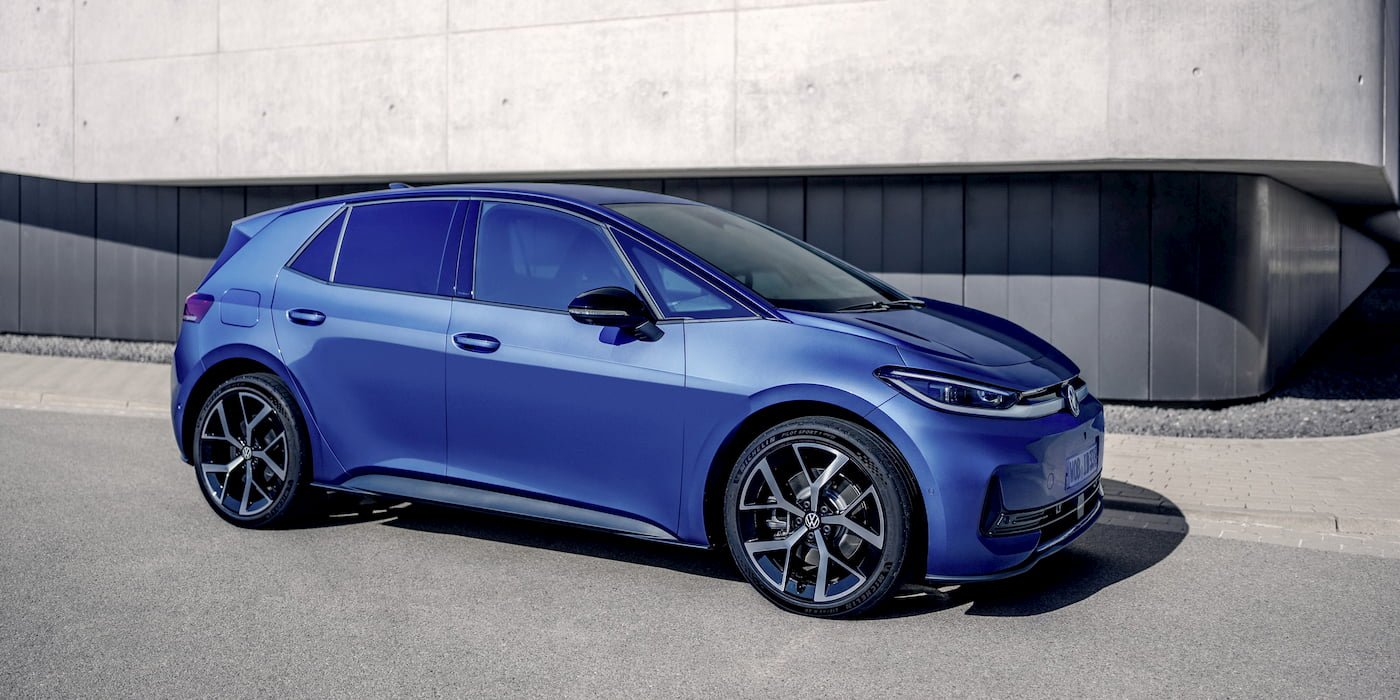
Volkswagen Unveils ID.3 Neo: A True EV with 400-Mile Range and Modern Design
The electric vehicle landscape just got a serious contender. Volkswagen has officially launched the all-new ID.3 Neo—its most accessible and refined electric hatchback yet—and it’s being hailed as the company’s “first true Volkswagen” EV. Unveiled in April 2026, the ID.3 Neo packs significant upgrades over its predecessor, including a refreshed exterior and interior design, improved battery technology, and an impressive real-world driving range of nearly 400 miles (630 km) on a single charge.
This launch marks a pivotal moment in Volkswagen’s EV strategy, shifting from early adopter models to mainstream affordability without sacrificing quality or performance. With growing competition in the compact EV segment—from Tesla’s Model 2 rumors to Hyundai and Kia’s latest offerings—the ID.3 Neo aims to bridge the gap between sustainability, practicality, and everyday usability.
Range, Powertrain, and Charging Capabilities
The ID.3 Neo benefits from Volkswagen’s next-generation modular battery architecture, which delivers a 77 kWh (usable) lithium-ion battery pack. According to the WLTP cycle, this enables up to 630 km (approximately 391 miles), with real-world estimates from early European test drivers hovering around 380–400 miles under mixed driving conditions.
- Motor Output: Single permanent-magnet synchronous motor producing 204 hp (150 kW) and 310 Nm of torque
- 0–62 mph (0–100 km/h): Approx. 7.3 seconds
- Top Speed: Electronically limited to 105 mph (170 km/h)
- Charging: Up to 175 kW DC fast charging—adds up to 200 miles of range in just 30 minutes
The improved thermal management system also enhances efficiency in both cold and hot climates, addressing a common pain point for EV owners in extreme weather conditions.
Redesigned Exterior and Interior
Volkswagen has given the ID.3 Neo a more distinctive visual identity—moving away from the “scaled-down ID.4” look of earlier models toward a bolder, cohesive design language unique to its EV lineup.
- Exterior: Sleek LED headlights with dynamic turn signals, flush door handles, aerodynamic wheel designs (up to 19 inches), and a refined rear bumper with integrated reflectors
- Color Options: New matte-finish finishes including “Aurora Blue” and “Glacier White,” alongside familiar metallic options
The interior is where the Neo truly shines. Volkswagen emphasizes sustainability without compromise, using up to 40% recycled materials—including ocean-bound plastics in seat fabrics and carpeting—while maintaining premium tactile quality.
- Infotainment: 12-inch touchscreen with over-the-air (OTA) update capability, wireless Apple CarPlay and Android Auto
- Digital Cockpit: 5.3-inch digital instrument cluster (upgradable to 10-inch)
- Interior Materials: Recycled polyester textiles, bio-based polyurethane dash surfaces, and aluminum trim accents
- Storage: 385 liters of trunk space (with additional front trunk/cabin storage)
[Image: Volkswagen ID.3 Neo interior with minimalist design and sustainable materials]
Pricing, Trim Levels, and Market Availability
Volkswagen is positioning the ID.3 Neo as its most affordable EV to date—starting at €34,900 (~$37,500 USD) before incentives in key European markets like Germany. U.S. pricing is still under review, but analysts expect a starting price of around $42,900 after federal tax credits—making it highly competitive with the base Tesla Model 3.
The ID.3 Neo will debut in three primary trims:
- Pro: Base model (standard range), includes adaptive cruise control, blind-spot monitoring, and 18-inch wheels
- Pro S: Mid-tier trim with upgraded audio (Bose), heated front seats, sunroof, and 19-inch wheels
- S Edition: Top-tier performance-oriented package featuring sport suspension, carbon-style interior accents, and enhanced driver assistance systems
Production began in early 2026 at Volkswagen’s Zwickau plant—the company’s largest EV facility—and deliveries are expected to begin across Europe in Q3 2026. North American availability is not confirmed for 2026, though VW has hinted at a possible U.S. launch in 2027 following regulatory alignment and software localization.
What Makes the ID.3 Neo a “True Volkswagen”?
In a statement released with the launch, Volkswagen CEO Oliver Blume said: “The ID.3 Neo isn’t just another electric car—it’s the first true Volkswagen built for everyone. It delivers on our promise of quality, practicality, and sustainability in one accessible package.”
That vision is clear in how the Neo balances everyday usability with EV-specific enhancements:
- Daily drivability: Smooth ride quality, quiet cabin, and intuitive controls make it ideal for urban commuting and weekend getaways
- Sustainability focus: Full lifecycle carbon footprint analysis shows a 50% reduction vs. comparable ICE vehicles over 150,000 miles
- Volkswagen DNA: Thoughtful ergonomics, precise steering feel, and refined build quality that harks back to the brand’s engineering heritage
With its combination of range, price point, and thoughtful design, the ID.3 Neo could become Volkswagen’s best-selling EV model—especially in Europe, where small EVs dominate fleet sales and private leases.
The Bottom Line
The 2027 Volkswagen ID.3 Neo represents a major step forward for both the brand and mainstream EV adoption. By delivering nearly 400 miles of range, a beautifully upgraded interior, and competitive pricing, it addresses many of the lingering concerns about compact EVs—especially in markets where small cars are most popular.
For those seeking an efficient, stylish, and genuinely practical electric hatchback, the ID.3 Neo may well be the car to watch in 2026 and beyond.